Client Won't Pay? What Freelancers Can Actually Do
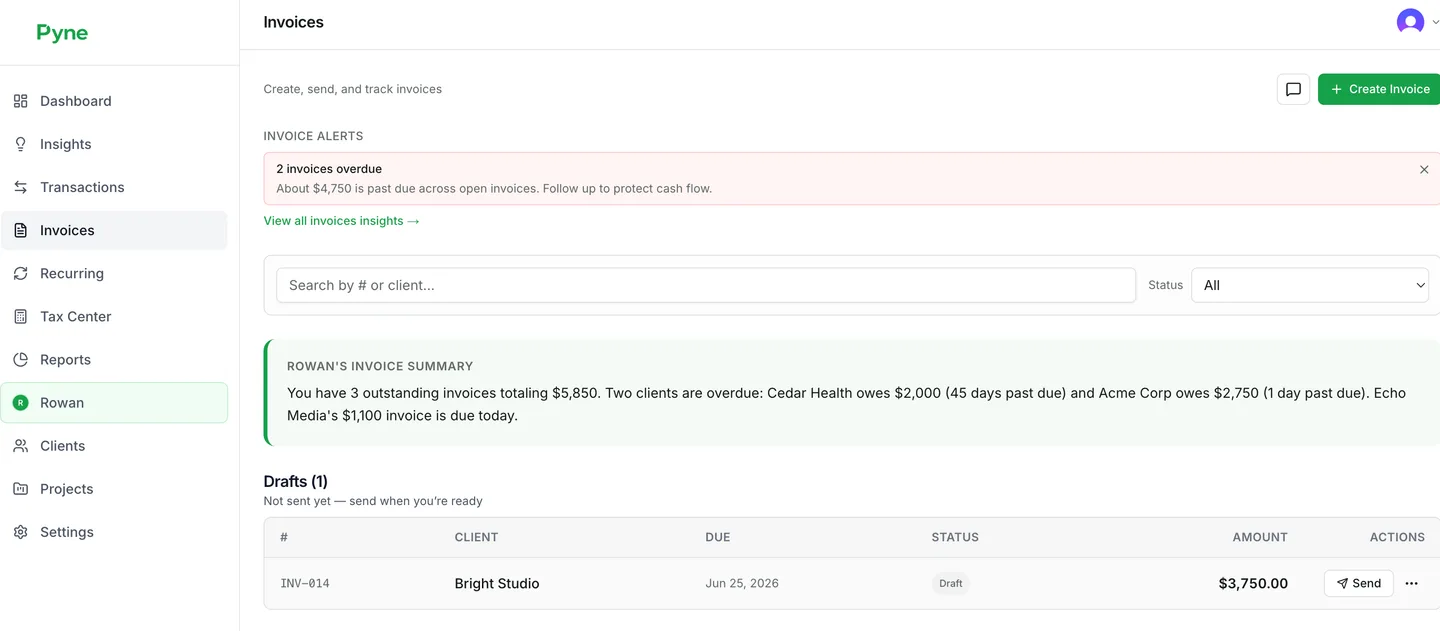
The invoice went out on time. The due date came and went. And the client who used to answer every message within the hour has gone quiet. Few things in freelancing produce a more specific kind of stomach drop, because it is not just about the money. Every option feels like it risks the relationship, and doing nothing is quietly costing you the rent.
Here is the good news: nonpayment has a well-worn playbook. You do not have to improvise, and you do not have to choose between being a pushover and burning the bridge. You climb a ladder, one written rung at a time.
First, rule out the boring explanations
Most late invoices are not malice. The invoice went to a personal inbox instead of accounts payable. It is missing a PO number their system requires. The one person who approves payments is on vacation. Their finance team runs on net 30 regardless of what your terms say.
One short, unaccusatory message clears a surprising share of these: "Wanted to make sure invoice 1043 landed in the right place. Is anything missing on my end to get it processed?" You lose nothing by assuming an administrative snag first, and if that is all it was, the relationship never even notices.
The escalation ladder
If the friendly check clears nothing up, escalate deliberately. In writing, with dates, one rung at a time.
Rung 1: The nudge, a few days past due. Short and warm. Restate the amount and due date, attach the invoice again, and ask if there is a timeline for payment. Assume good faith out loud, whatever you privately suspect.
Rung 2: The direct ask, one to two weeks past due. Drop the softeners. Name the amount, note that it is past due, and ask for payment by a specific date: "Invoice 1043 for $3,200 was due July 14. Can you confirm payment will be sent by August 5?" A specific date forces a specific answer, which is what you are really after. Silence is the enemy here, not awkwardness.
Rung 3: Add consequences, two to four weeks past due. If you are still doing work for this client, pause it and say so plainly: new work resumes when the account is current. If final files or deliverables have not been handed over, they stay with you until payment arrives. This is exactly why good contracts transfer ownership on final payment. One caution: only state consequences your contract actually supports. An empty threat weakens every message that follows it.
Rung 4: The formal demand letter. A short, factual letter: the amount owed, the history of the invoice and reminders, a final deadline, and what happens next if it passes. Sent from you, it signals that you are done asking casually. Sent from a lawyer, it often costs less than you would expect and gets read very differently. Many clients who ignored four emails pay within days of a demand letter, because it tells them you are willing to go further.
Rung 5: Small claims or collections. Small claims court handles amounts that cover most freelance invoices, filing fees are modest, and you generally do not need a lawyer. Collections agencies will pursue the debt for a cut, often a third to half of what they recover. Both options end the client relationship, but by this rung, the client ended it when they stopped paying. Check the small claims limit and process for your state or country before filing, since both vary.
Decide what the fight is worth
Before rung 4 or 5, do the math you would do on any project. If the invoice is $600 and pursuit will take twenty hours of your working life, you are paying yourself $30 an hour to be angry. Sometimes the right business decision is to write it off, fire the client, and put those hours into work that pays.
One note for US freelancers who hear "just deduct it as bad debt": if you are a cash-basis sole proprietor, an unpaid invoice usually cannot be deducted, because you never reported that income in the first place. There is no silver lining hiding there. Talk to a CPA about your specific situation before counting on one.
Protect the next project
Every freelancer who has been through this once builds the same defenses, so build them before the second time:
- A deposit before any work starts, non-negotiable for new clients
- Milestone billing on larger projects, so no single invoice can sink a month
- Final deliverables and ownership transfer on final payment
- A late fee clause and a stop-work clause in the contract
- Shorter payment terms than you think you can ask for
None of these guarantee payment. What they do is cap the damage any single client can cause and change the incentives long before things go wrong.
The rule that makes all of this survivable
Never spend an invoice. Money is not yours until it clears your account. Plan your month on cash that has actually arrived, treat outstanding invoices as maybes, and keep a buffer sized to survive one client failing you completely. When a nonpaying client cannot break your month, you climb the ladder from a calm place instead of a desperate one. Clients can tell the difference, and calm collects better.
A client who will not pay is a business problem with a standard playbook, not a personal failure. Rule out the administrative snags, escalate one written rung at a time, know the point where pursuit stops being worth your hours, and tighten the contract so the next project starts from stronger ground. And since every situation and jurisdiction is different, this is not legal advice. For an amount that genuinely matters, an hour with a lawyer in your jurisdiction is usually money well spent.
See what's coming with your money →
Related
Pyne provides estimates and general financial insights for informational purposes only. This is not tax, legal, or financial advice.